HOW I GOT HERE…
I’m Freddie Kemp.
I’ve spent much of my life studying what people do when pressure enters the room.
Of course, that started with me.
In military parlance, “No plan survives first contact with the enemy.”
Also: “Prior preparation and planning prevents piss-poor performance.”
The tension between those apparently contradictory idioms is The Way.
In science, pressure teaches you not to mistake the symptom for the cause.
In casting and story, it shows you what people reveal beneath performance.
In commercial conversations, it exposes something even more specific: what happens when value, money, desire, rejection, and consequence all arrive at the same time.
For years, I kept seeing the same pattern.
Capable people, starting with me, were not losing value because we lacked expertise or empathy.
We were losing it when the trade started to matter.
And it wasn’t even about who would blink first. That left too much to chance and ego. It meant we had not built a defensible case for the work, the urgency, why now was different to before, and why it mattered more than any point in the future.
We knew we shouldn't discount simply because the buyer pushed back, over-explain because silence made us uncomfortable, or chase because uncertainty felt intolerable.
We knew we shouldn’t manufacture fake urgency or scarcity. It felt disingenuous and sleazy. It didn’t jibe with our sense of identity.
We knew we should ‘understand the buyer.’
And yet, when the prospect was real, time was short, reputation was in play, and a no would cost us, something changed.
I would fold. Others did too.
A lot.
I made the offer about me:
MY worth. MY need to be chosen. MY fear of rejection. MY desire not to lose the opportunity.
And I began noticing versions of the same thing in other capable people.
For a long time, I thought I was looking at a sales problem. Then a pricing problem. Then a confidence problem. Then a positioning problem.
But none of those quite nailed it.
And you know when it does.
The real insight wasn’t What should I do?
Most of us already knew.
In classrooms, role-play, simulations, and deals we didn’t give a shit about.
No skin in the game? Easy. Piece of cake.
The real question was:
Why do we still abandon what we know when the offer has enough gravity to make rejection matter?
Offer Freedom is the work that came out of that question.
It is not about getting paid what we are worth.
Our worth is not the unit of pricing.
Neither, by itself, is the size of the client's problem.
The work is to understand what is actually happening: the problem, its consequence, what our intervention can materially affect, what responsibility is being transferred, and what a defensible trade therefore looks like.
The work is to understand the buyer’s world deeply enough to command the value of the problem we solve, without allowing pressure, performance or the need for approval to substitute for judgement.
This is a high bar of self-respect, and respect for the buyer’s world.
A clean offer does not need to be propped up by pressure. It is justified by what the evidence supports before it is made.
If the problem has survived this long in their system, ask why: What maintains it? What costs does it impose? Does the current state also provide some benefit? What has prevented it being solved before?
So a clean offer is not saying “you’re free to say no” as a reverse psychology tactic.
Offer Freedom is the work of becoming the person who can mean it when a no would cost.
Hard.
WHAT I BELIEVE
I believe good commerce should preserve agency on both sides.
The buyer should be free to say no. So should the seller.
Expertise, judgement, risk and responsibility should not disappear simply because time and price are easier to measure.
A good trade does not require either party to manufacture urgency, conceal information, perform indifference or pressure the other into agreement.
Sometimes better diagnosis produces a larger engagement. Sometimes a smaller one. Sometimes it produces no trade at all.
The objective isn't more transactions. It's better ones.
Offer Freedom exists to make those distinctions easier to see, and harder to abandon when the outcome matters.
That is how I got here.
Not by trying to create another sales method.
By following a pattern I could not unsee.
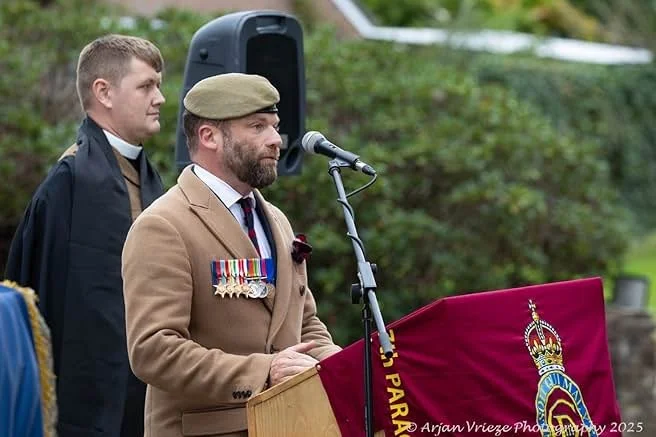
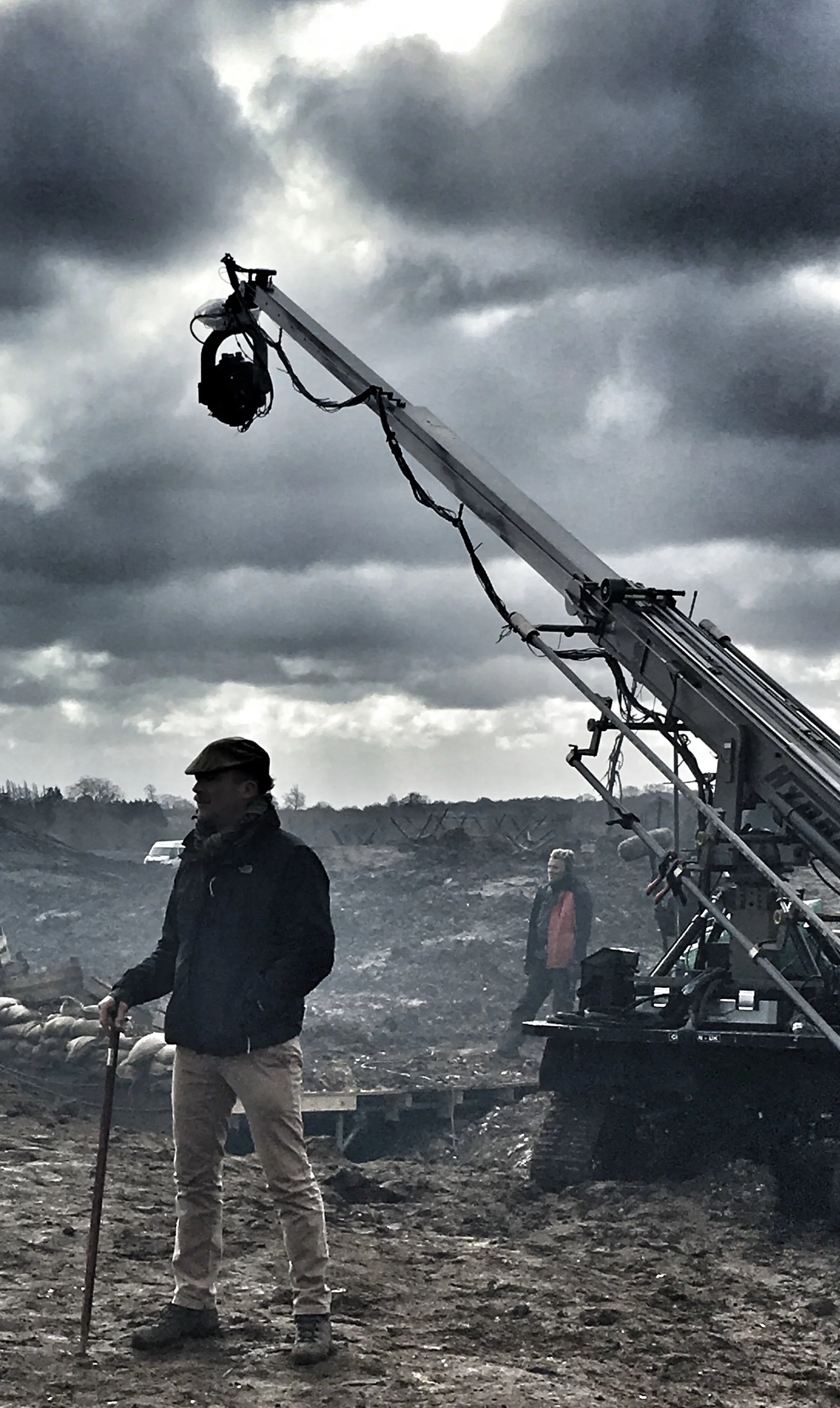
I first encountered versions of it in live commercial conversations. I found it again around military standards, behavioural change and high-end team development; then in casting, story and film advisory work, where the visible task was often a poor description of the judgement, risk and responsibility actually being bought.
Different environments. Same recurring question:
What happens to otherwise sound judgement when the outcome becomes consequential?
Offer Freedom became the diagnostic toolkit I wish I'd had earlier: a way to understand the buyer's world deeply enough — and what is happening in ourselves clearly enough — that the offer no longer has to be built on pressure, performance or hope.
This is human work.
Relational work.